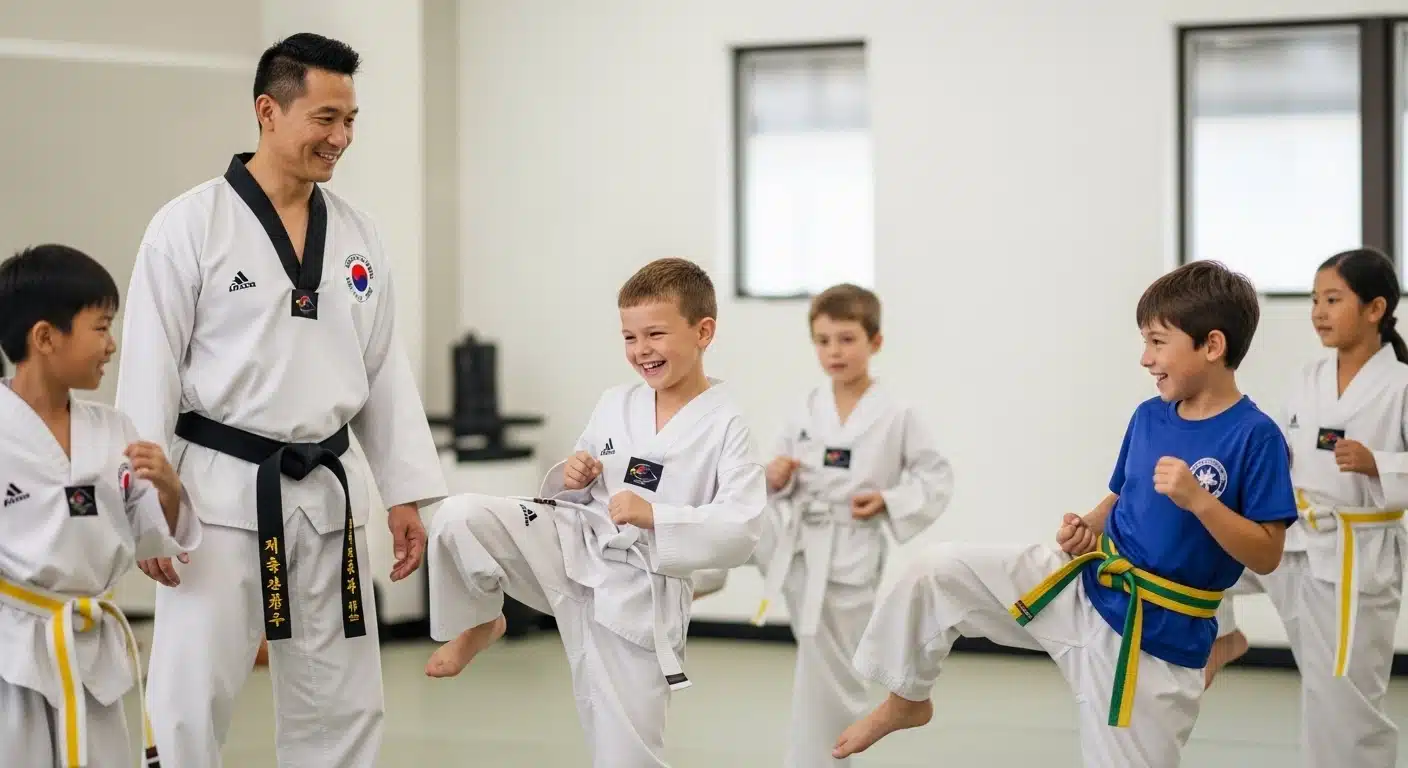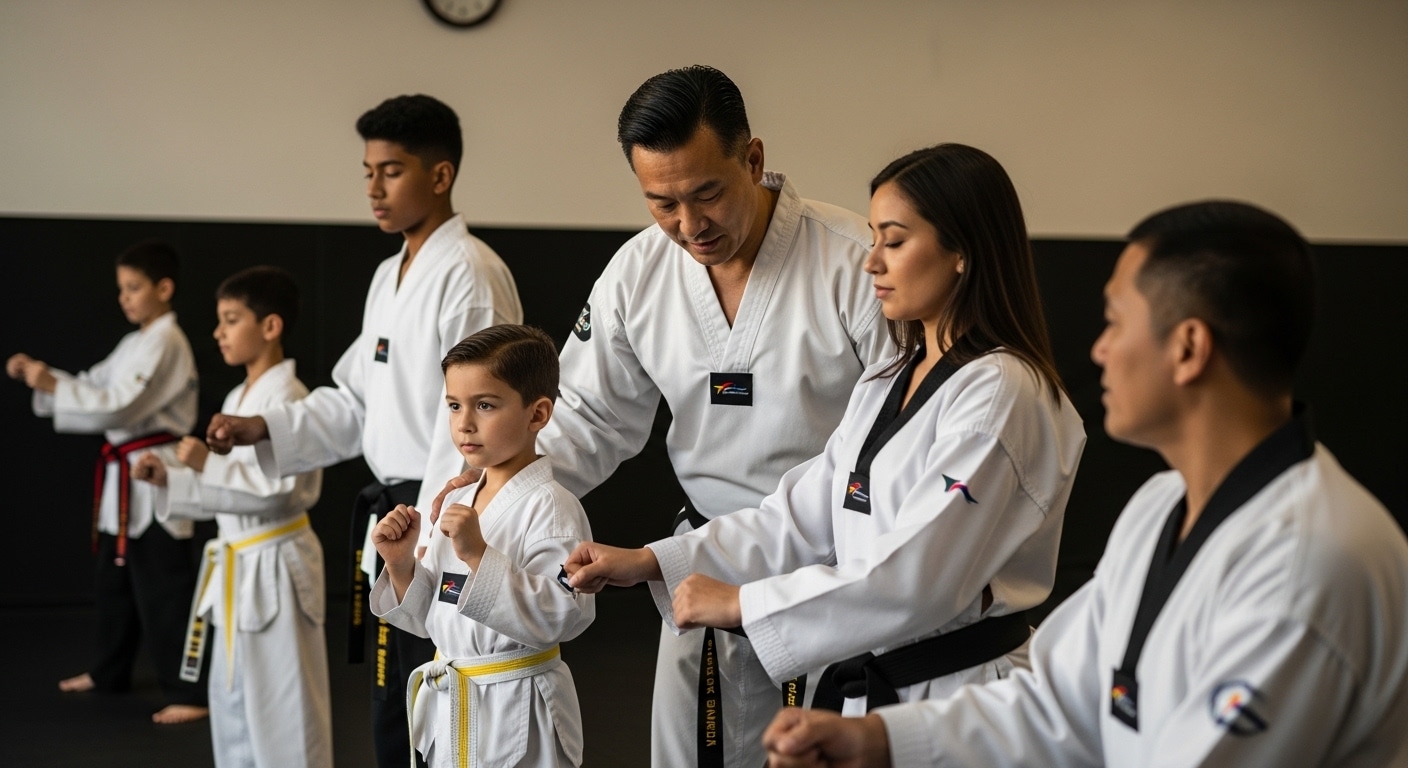
People often ask me a straightforward question. “Why do people stay in martial arts for years?” At Ace Taekwondo, the answer is never about kicks or belts alone. It starts with a feeling that slowly grows into a deep love for martial arts. I have taught students of all ages across Canada through Ace Taekwondo. Kids, teens, adults, and parents all feel this pull in their own way. Once they start training, something changes inside them. Martial arts becomes more than a class. It becomes part of who they are.
Martial Arts Is Not a Hobby, It Becomes a Lifestyle
Many students join martial arts, thinking they will train once or twice a week. At first, it feels like just another activity. However, after some time, they notice small changes in daily life. Martial arts start shaping how they live each day. This is what we call the martial arts lifestyle. It affects how you stand, think, and act around others.
Students often notice positive changes like:
- Better eating habits
- Better sleep routine
- Improved time management
- More focus during the day
Training also teaches structure and routine. That structure does not stay only in the class. It follows students into school, work, and home life as well.
The Emotional Connection to Training
Martial arts creates a strong emotional connection to training. This bond builds slowly, class by class. Each session brings effort, sweat, and small wins. Those wins matter. A student breaks their first board. A shy child speaks with confidence. An adult controls stress through movement. These moments build pride. That pride creates attachment. Soon, training feels personal. It feels meaningful.
Martial Arts Passion Grows Through Consistency
Passion does not appear overnight. A passion for martial arts grows through steady effort. You show up even on tired days. You train even when progress feels slow. Over time, effort turns into belief. Belief turns into pride. Students start saying, “I can do this.” That feeling keeps them coming back.
The Power of the Mind-Body Connection
One reason people fall in love with martial arts is the mind-body connection. Every movement needs focus. Every technique needs control. Your mind guides your body. Your body sharpens your mind. This balance feels natural and calming. It helps students stay present. Many parents notice better focus in school. Adults feel less mental stress after training. This connection makes martial arts special.
Personal Growth Through Martial Arts
Martial arts support real personal growth through martial arts training. Growth happens quietly, without pressure. Students learn patience. They learn that effort matters more than speed. Failure becomes part of learning. Mistakes become lessons, not fears. This mindset helps in school, work, and life. Growth does not stop at the belt test. It continues every day.
Self-Discipline Development Builds Strong Habits
Self-discipline development stands at the heart of martial arts. Students bow before training. They listen before they act. They respect rules and structure. Discipline teaches control. Control builds trust in oneself. Children learn to finish tasks. Adults learn to stay consistent. These habits remain long after class ends.
Confidence and Self-Belief Come From Action
True confidence and self-belief come from doing hard things. Martial arts gives that chance every week. Students face challenges in a safe space. They learn to stand firm under pressure. Confidence grows from effort, not praise. Belts show progress, not perfection. Over time, students walk taller. They speak with clarity. That confidence spreads into daily life.
Character Building Through Respect
Character building matters as much as physical skill. Martial arts teaches respect through action. Respect for instructors. Respect for classmates. Respect for oneself. Students learn fairness. They learn patience. They learn responsibility. Good character stays with a person for life. This is why parents trust martial arts training.
Inner Strength Training Shapes Resilience
Martial arts trains inner strength, not just muscles. Inner strength training helps students handle stress. Training pushes limits gently. Students learn to stay calm in the face of a challenge. They breathe through effort. They remain focused under pressure. This strength helps during exams, work stress, and personal struggles. It builds quite a confidence.

Developing the Martial Arts Mindset
The martial arts mindset teaches steady progress. There are no shortcuts here. Students learn to respect the process. They learn to trust effort over time. This mindset helps with long-term goals. It builds patience and grit. Once discovered, this mindset applies everywhere.
Holistic Development for Body and Mind
Martial arts support holistic development. It trains the whole person. Physical strength improves fitness. Mental focus enhances clarity. Emotional control enhances balance. Students feel stronger, calmer, and more aware. This entire approach keeps people committed.
A Lifelong Self-Improvement Journey
Martial arts is a self-improvement journey. There is always something new to learn. New techniques. Better balance. Stronger focus. Growth never ends. That keeps training fresh and meaningful. Students enjoy improving at their own pace.
Finding Mental and Physical Balance
Life feels busy and fast. Martial arts bring mental and physical balance. Training offers structure and movement. It clears the mind and strengthens the body. This balance feels rewarding. It gives people a sense of control. Many students say training helps them reset.
Martial Arts Becomes Part of Your Identity
Over time, a martial arts identity naturally forms. Students stop saying, “I train.” They say, “I am a martial artist.” This identity builds pride and purpose. It reflects discipline, respect, and growth. That is why people stay for years.
Why I See This Every Day at Ace Taekwondo
As Master Viresh, I see these changes daily. Students grow stronger inside and out. Martial arts give them tools for life. Confidence, discipline, balance, and focus. This is why people fall in love with martial arts. Not because it is easy. But it helps them become better.
Final Thoughts
Martial arts offer much more than physical training. It helps people grow, stay balanced, and build purpose in life. That is why students stay for years. That is why parents trust martial arts training. And that is why martial arts becomes part of who they are.
Over time, training builds:
- Confidence in daily life
- Strong habits and discipline
- Mental and physical balance
- A positive mindset for growth
If you or your child wants more than just an activity, martial arts is a strong choice. It supports growth at every age and stage.
Ready to experience it yourself?
Join us at Ace Taekwondo and see how training can shape your body, mind, and character, one class at a time.
Read more: How 90 Days of Taekwondo Changes Your Body
Frequently Asked Questions
Why do people feel emotionally attached to martial arts training over time?
People feel attached because martial arts connects effort with progress. Each class builds pride through small wins like better balance or control. This steady growth creates trust in the process. Over time, training feels personal, not forced.
How does martial arts help build long-term confidence, not just short-term motivation?
Martial arts builds confidence through repeated action, not words. Students face challenges in a safe setting and learn to handle pressure. Confidence grows from doing hard things again and again. This makes self-belief stable and long-lasting.
Why do many students say martial arts changes how they think outside of class?
Martial arts teaches focus, patience, and calm thinking. Students learn to pause before reacting. This habit transfers to school, work, and daily decisions. The mindset stays even when training ends for the day.
What makes martial arts feel like a personal identity for many students?
Martial arts shape daily habits, values, and behaviour. Students begin to act with discipline and respect everywhere. Training becomes part of who they are, not just what they do. That sense of identity keeps them committed long term.