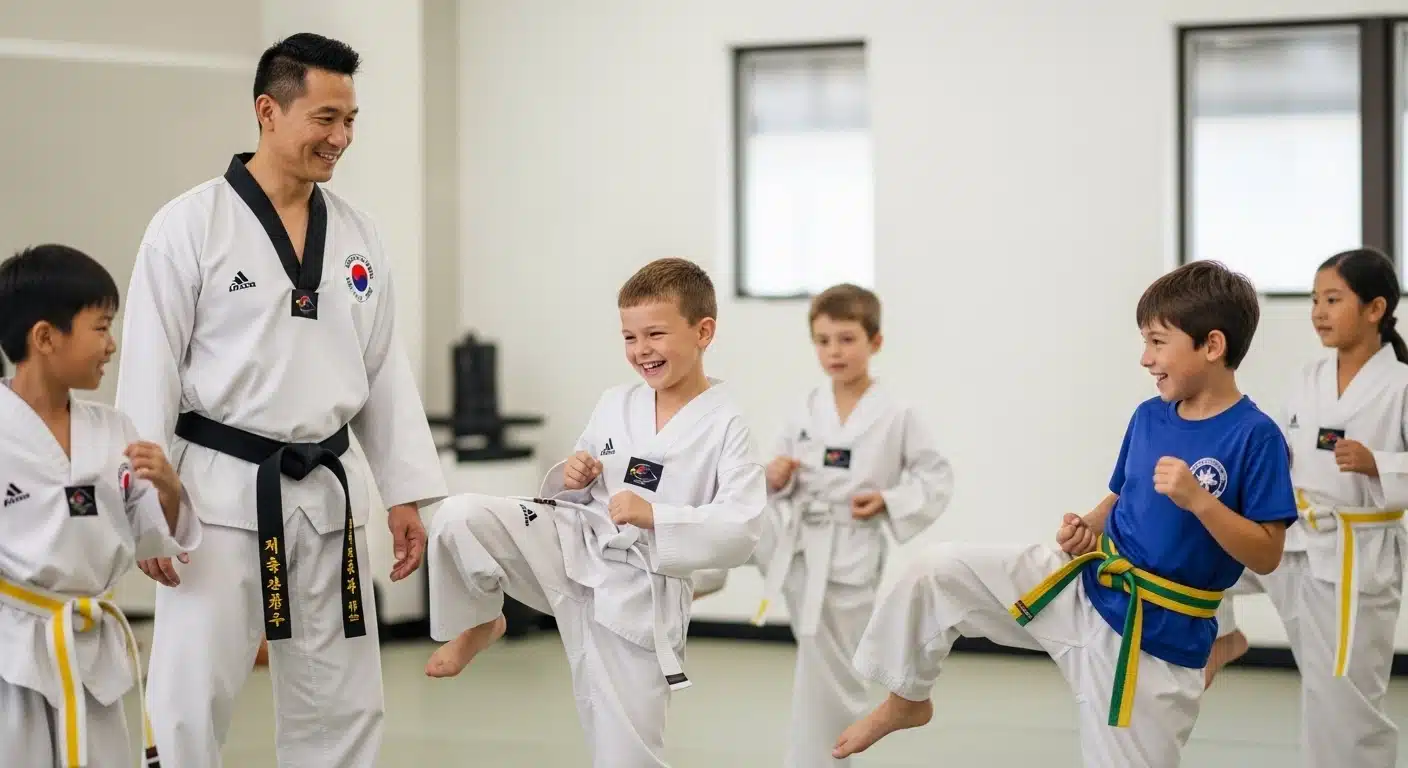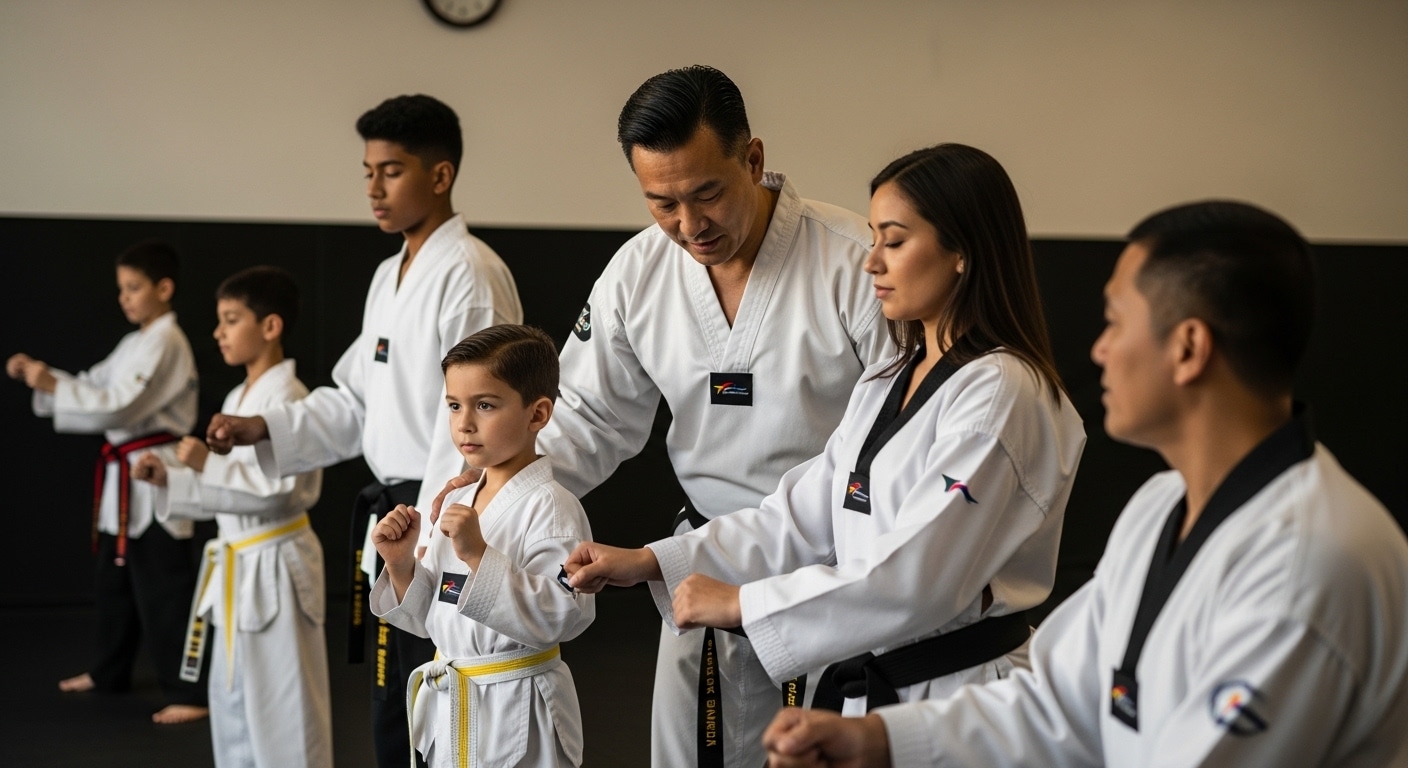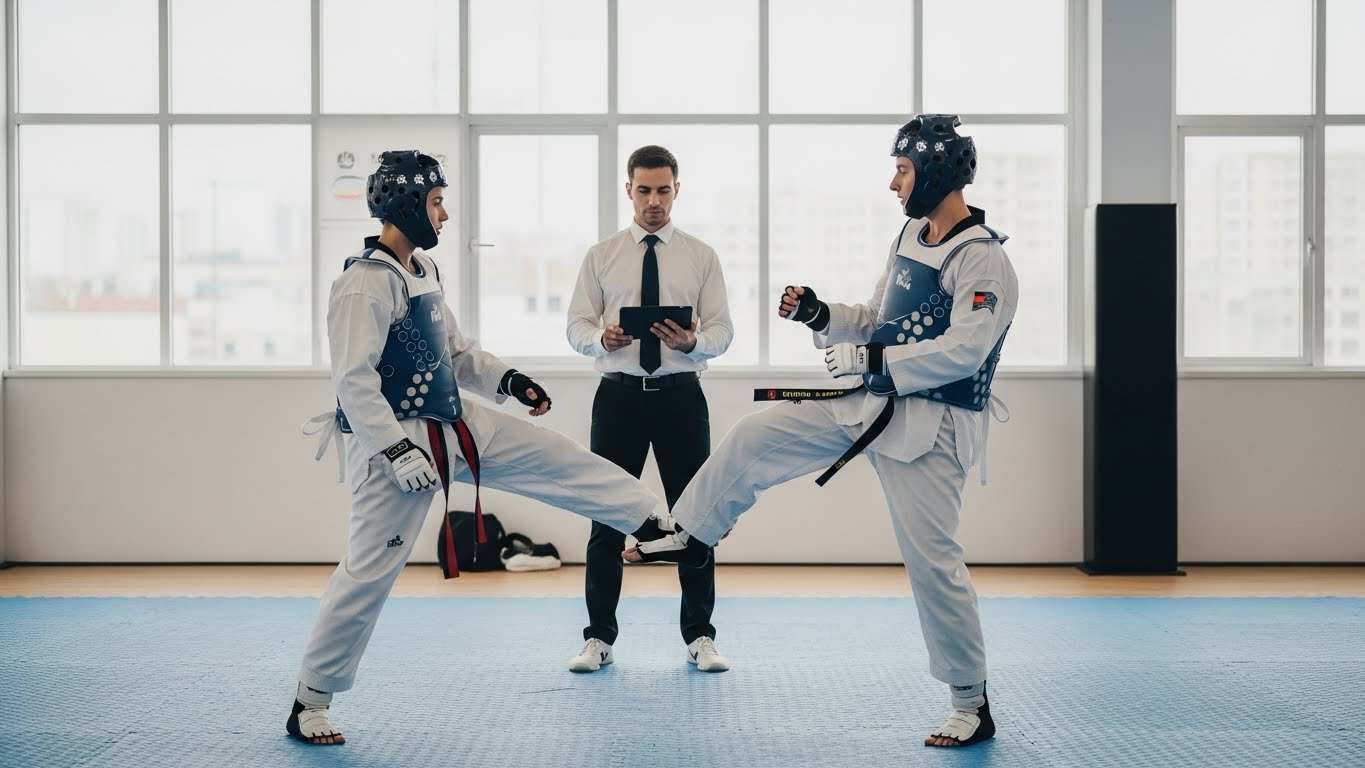
As a coach at Ace Taekwondo, I meet many students who want to test their skills in tournaments. They train well, show significant focus, and work hard every day. Still, they feel unsure about one thing: the scoring rules. I see this often, especially with kids who enter their first match. They want to know how judges score points, what counts as a legal strike, and why some moves earn more points than others.
Today, I want to break down martial arts scoring systems in clear, simple words. This guide will help you understand how a match works, how points are given, and what judges look for during each round.
Why Scoring Systems Matter
A clear scoring system keeps a match fair. It tells us which actions lead to points and which break the rules. When students learn this system, they improve faster. They spar with better control. They also stay calm in real matches, because they know how their score builds with each move.
In martial arts, scoring is not random. Every point has a purpose. It reflects skill, speed, balance, and clean technique. It also shows respect, because controlled strikes protect you and your partner.
What Is a Martial Arts Scoring System?
A martial arts scoring system is a set of rules that judges use to measure a fighter’s performance. This includes:
- Legal moves
- Target areas
- How many points does each move earn?
- How judges track performance
- How a winner is chosen
These rules guide both offensive and defensive actions. When students understand these rules, they perform with confidence and purpose.
Core Parts of Scoring in Martial Arts
To help my students at Ace Taekwondo, I explain scoring in four main parts:
- Technique
- Control
- Accuracy
- Impact
Judges check each strike and decide if it meets these points. If yes, the strike earns a score. If not, the strike does not count. This keeps the match clean and fair.
Scoring Rules in Martial Arts
Different martial arts styles follow their own scoring rules. Still, most systems use a similar pattern. Points are awarded for precise, legal strikes to approved areas.
Here are some common examples:
- Punches to the body
- Kicks to the body
- Kicks to the head
- Spinning or jumping techniques
- Clean blocks and counter-attacks
Each martial art has its own scoring system, but the idea remains the same: clean skills earn clean points.
Point System in Martial Arts
Let’s talk about the point system. Most matches use simple point values to rate each move. For example:
- 1 point for a basic strike
- 2 points for a strong kick
- 3 points for a head kick
- Bonus points for spinning kicks or advanced moves
The exact numbers vary by sport, but the goal stays the same—reward good technique and control.
Competition Scoring Criteria
Judges use explicit criteria to score an athlete. These criteria help them stay fair and consistent. Common criteria include:
- Clean contact
- Balance during the strike
- Good form
- Timing
- Clever use of both defence and attack
When students follow these criteria, they show skill and discipline. This helps them earn steady points in any match.
Martial Arts Judging
Martial arts judging is not guesswork. Judges are trained to track each move with complete focus. They watch:
- Footwork
- Striking form
- Guard position
- Follow-through
- Hit accuracy
- Control and safety
Good judging protects the fighters and keeps the match honest. In Taekwondo events, judges use electronic gear and sensors to track body shots, which helps them score with even more accuracy.
Rules and Regulations in Matches
Every match follows strict rules. These rules protect athletes and guide the scoring process. Common rules include:
- Legal target zones
- No strikes to the back of the head
- No grabbing or holding
- No striking after the call to stop
- Respect the center referee
- Stay within the match area
When a student follows these rules, they avoid penalties and keep their score safe.
Scoring Techniques You Should Know
Students often ask me which moves score the best. Here are some basic scoring techniques:
- Body punch
- Body kick
- Head kick
- Spinning kick
- Jumping kick
- Fast counter kick
Each technique must show speed, balance, and good form to earn points.
Legal Strikes and Points
A legal strike is a move that follows the rules and hits the right target with safe control. Legal targets vary by martial art but often include:
- Torso
- Head (depending on age group)
- Side of the body
Illegal targets include:
- Back of the head
- Spine
- Joints
Hitting illegal areas leads to penalties. These penalties reduce points and can even cost the match.
Match Evaluation Process
During each match, judges follow a straightforward match evaluation process. This process includes:
- Watching each move closely
- Checking if the move is legal
- Checking if the move shows control
- Recording points immediately
- Adjusting scores if penalties happen
This simple process ensures the match stays fair from start to finish.

Performance-Based Scoring
Many tournaments use performance-based scoring. In this method, judges evaluate the athlete’s overall performance, not just single strikes. They check:
- Speed
- Movement
- Strategy
- Defense
- Clean hits
- Consistency
This style of scoring rewards smart, steady fighting rather than random bursts of action.
Martial Arts Tournament Rules
Tournament rules guide every part of the match. These may include:
- Match length
- Gear rules
- Weight classes
- Age groups
- Legal and illegal moves
- Penalties
- Tie-break systems
Students should learn these rules before entering any event. It helps them compete with complete focus and clear goals.
Scoring Accuracy and Control
Accuracy and control are two pillars of strong scoring.
A strike must:
- Land on target
- Show control
- Keep both fighters safe
Wild strikes do not earn points. Clean hits do.
Defensive and Offensive Scoring
Good fighters use both offence and defence. Judges reward:
- Clean blocks
- Counters
- Timed kicks
- Smart footwork
- Defensive skills that stop hits
A balanced fighter earns steady points. Kids often improve fast when they focus on both sides of the game.
Referee and Judge Roles
Referees guide the match on the floor. Judges track the points.
Their roles include:
- Calling start and stop
- Checking safety
- Watching for fouls
- Recording points
- Keeping the match fair
Students should respect all officials. It builds discipline and confidence.
Win Conditions in Martial Arts
Matches can end in different ways. Win conditions often include:
- Higher score
- Technical knockout
- Opponent disqualification
- Golden point (in tie cases)
Most wins come from steady point-building. Students who stay calm and follow the rules finish strong.
Final Thoughts From Master Viresh
At Ace Taekwondo, I always tell my students that scoring systems are tools, not tricks. They help you grow as a martial artist. When you understand how scoring works, you improve your timing, form, and focus. You stay safe. You build confidence.
A martial artist does not chase points. A martial artist shows skill. The points follow naturally.
If you or your child wants to learn these skills in a friendly, safe, and expert-led space, our team at Ace Taekwondo is here to help.
Read more: Philosophy Behind Taekwondo Discipline
Frequently Asked Questions
How do judges decide points in martial arts?
Judges score points when they see a clean and legal strike. The move must show good form, control, and accuracy. If the strike hits the right target and follows the rules, the judge adds points right away. Electronic scoring gear may also help track body shots.
Why are some kicks worth more points than punches?
Kicks show more skill, balance, and power. This is why most martial arts give higher points for kicks. Head kicks, spinning kicks, and jumping kicks earn even more because they need strong timing and full control.
What happens if a fighter uses an illegal move?
Illegal moves lead to penalties. A penalty can reduce points or give points to the other fighter. If a fighter keeps breaking rules, they may get disqualified. Learning rules and staying calm helps keep the match safe and fair.